

World Building (in the real world)
6/16/2026 | Daphne Strasert
Contemporary fiction writers may think that they’re getting off easy when it comes to worldbuilding. They don’t have to do all the detailed work that science fiction or fantasy requires. After all, they don’t have to make a world from scratch! They’re just using the one we all live in. But world building isn’t just for speculative fiction! Contemporary fiction demands authenticity to truly immerse readers.
Don’t you want to create an immersive story that draws your readers in? Don’t you want them to feel as if they’re truly experiencing the setting? Of course you do!
Then it’s time to roll up your sleeves and do some world building.
Why You Can’t Just Make a “Generic” City
Why not just make a generic setting? If you leave things vague, there’s no need to do much world building at all. Just say that your character walks into their house! After all, everyone knows what a house looks like. Right?
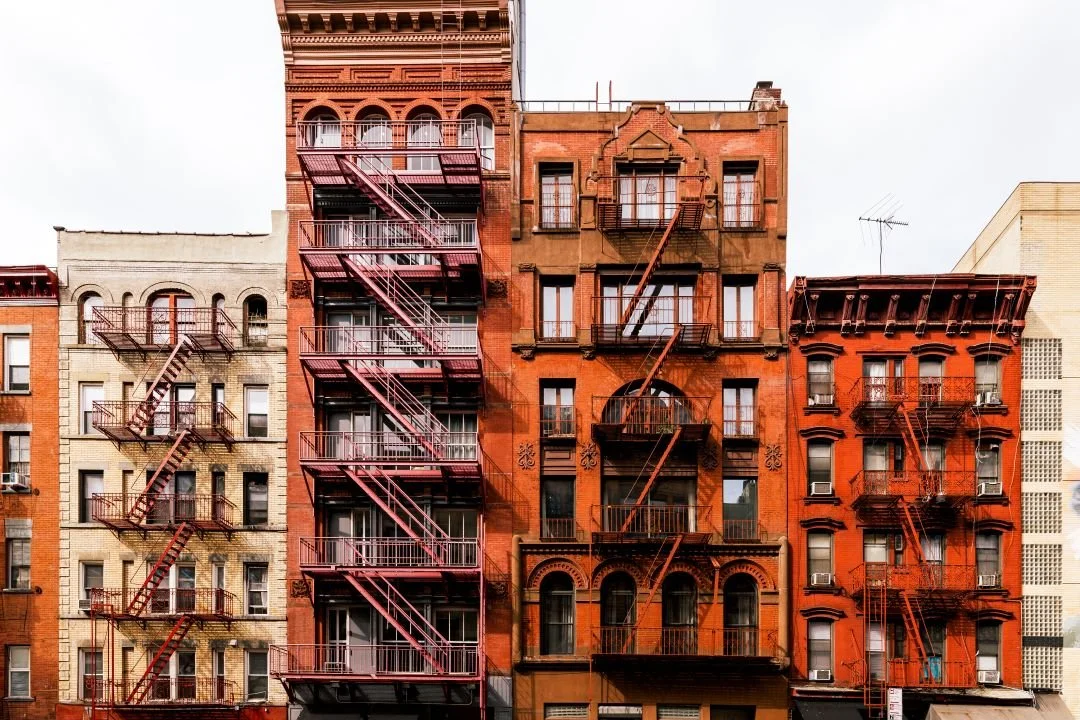
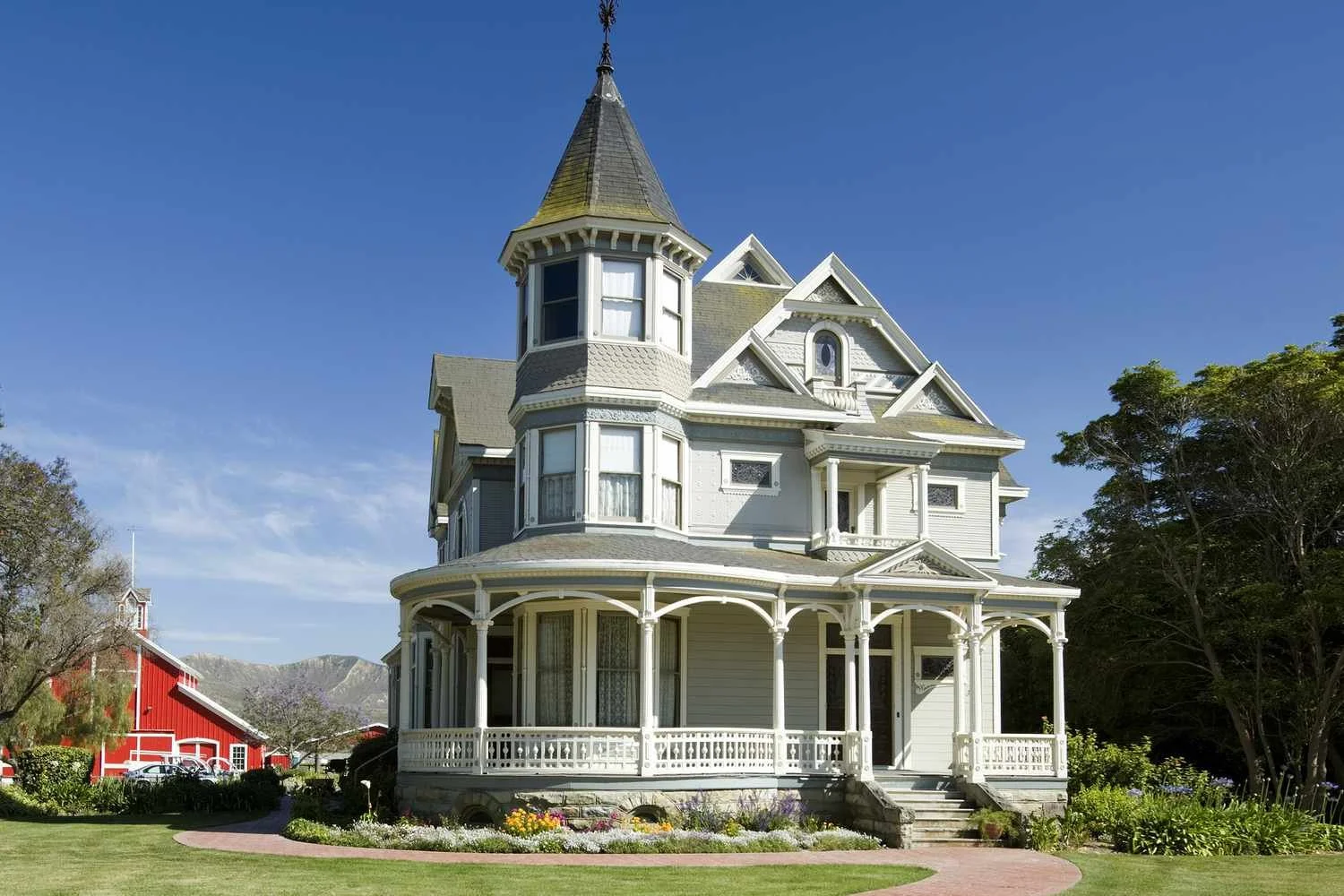

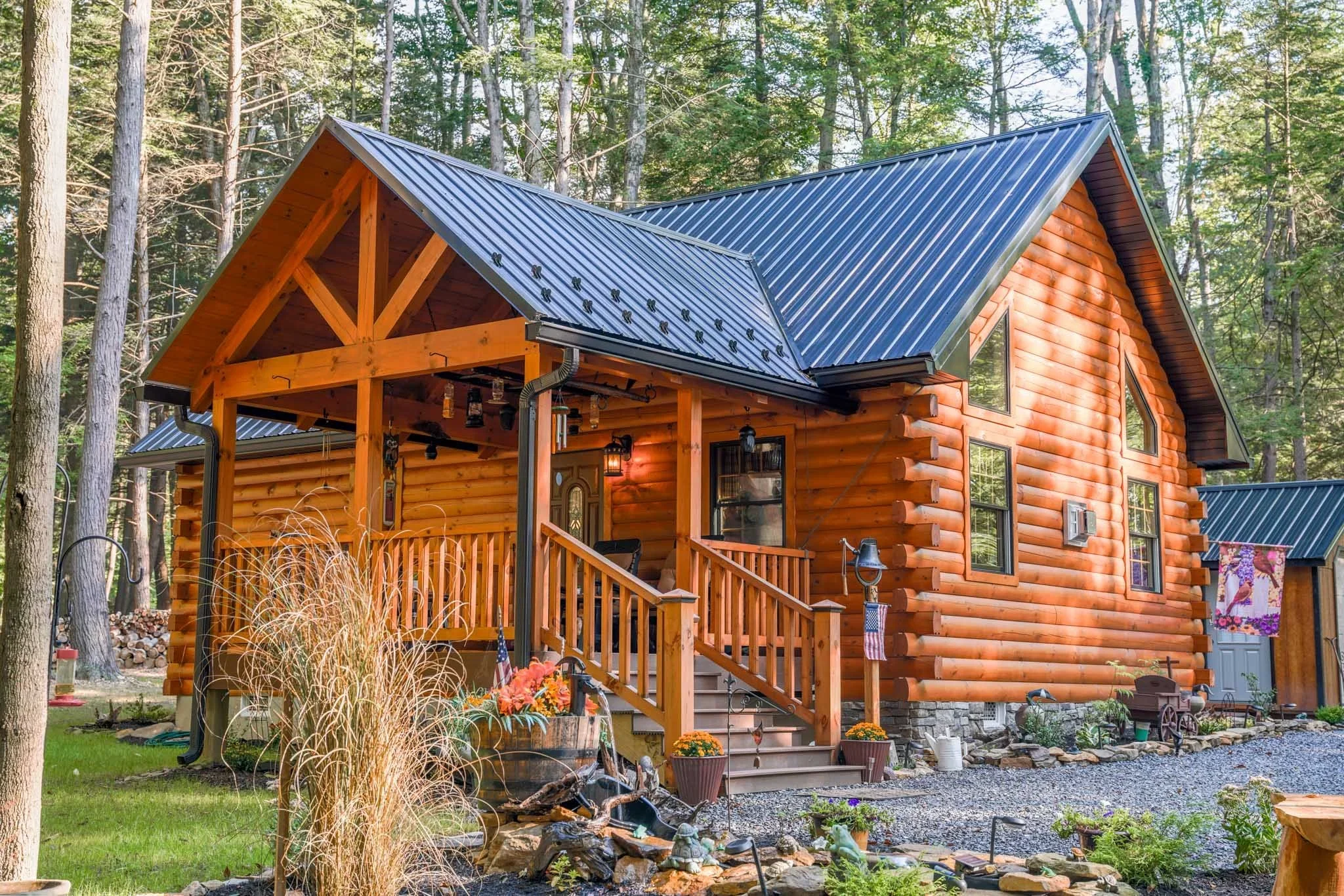
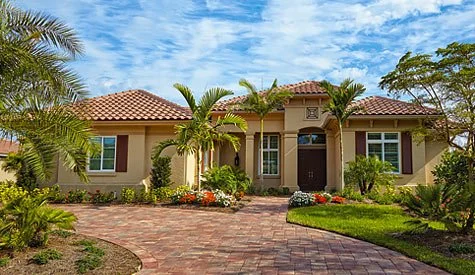
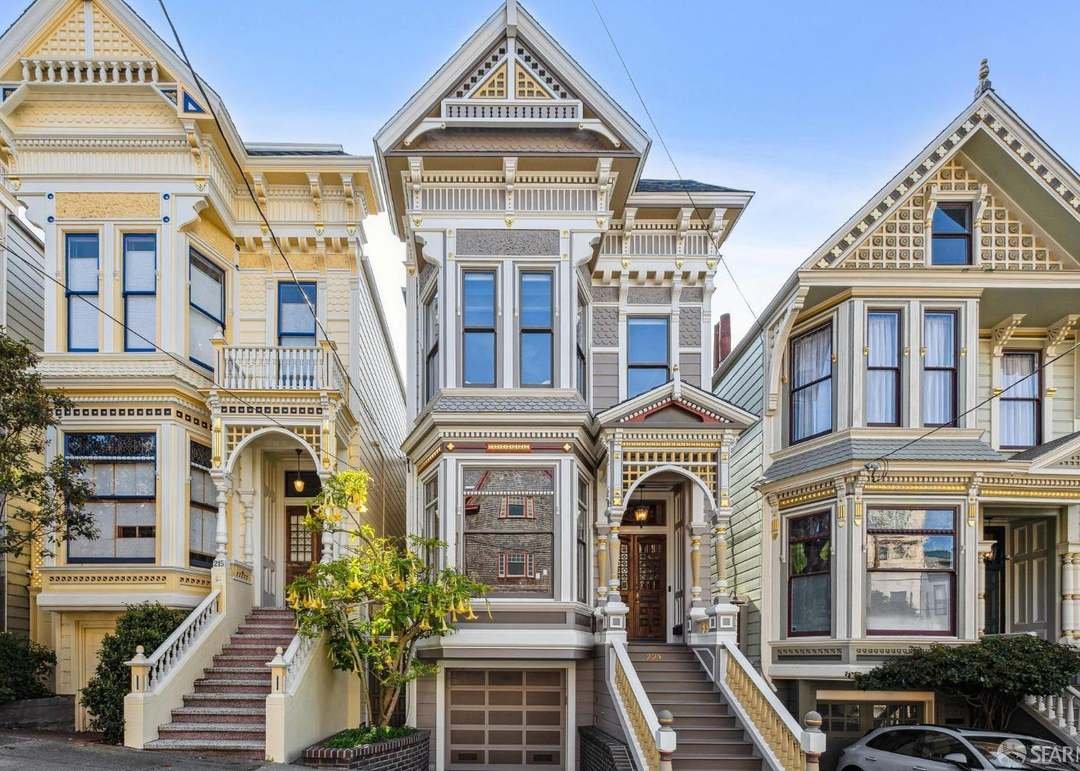
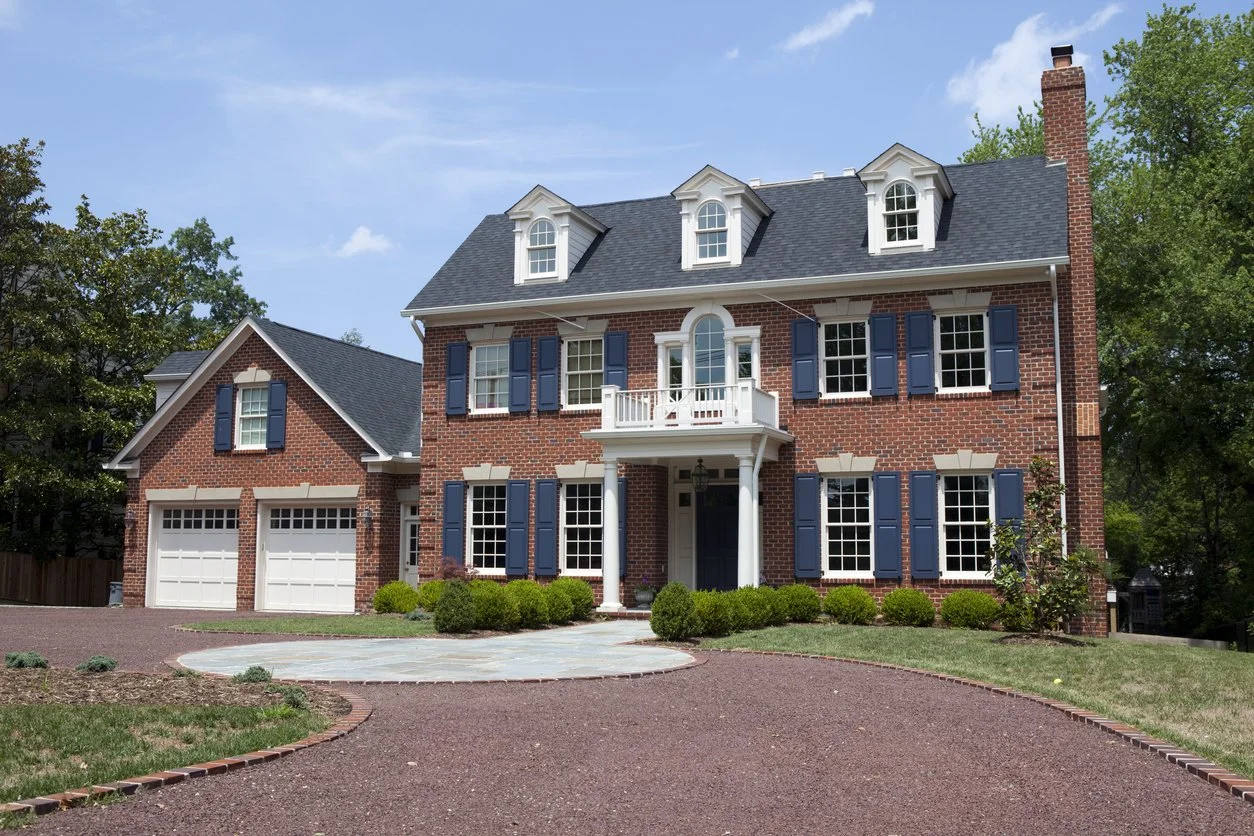

Your experience of the world is not the same as everyone else’s. Your life has informed your worldview and shaped what you think of as normal. What you consider a “generic” city/town/neighborhood is going to be different from the conceptions of other cultures. As humans, we are predisposed to think that our experience is the universal experience, but that simply isn’t true.
Picture a town. What does it look like? What shops are there? What are the streets made of? What do the people look like? What are they wearing? What is the temperature? Each of these questions represents a decision you have to make while writing your story. Even if you’re making the decision subconsciously, you are still making a decision.
The truth is, there is no such thing as a generic city. There is no “Everytown, USA”. Locations have personality and ignoring that is not just disingenuous, it is sucking the flavor out of your story!
Setting your Story in a Real Place
Perhaps you decide that you’ll bypass the issue entirely by setting your story in a real place. Totally valid! You may not have to decide things from scratch, but now you have a new issue: accuracy. Real places have real residents, who will absolutely know if you got your details right.
A Cautionary Tale: Percy Jackson and the Wildly Inaccurate Setting Information
In his 2005 novel The Lightning Thief, Rick Riordan included a scene where Percy jumps from the Gateway Arch into the Mississippi River. The problem? That’s not actually possible. The Arch is 300 meters from the river, with a highway separating them. While the detail wasn’t an issue for readers unfamiliar with the landmark, anyone who lived in or had visited St. Louis realized the glaring error and were quick to point it out. Fortunately for fans, in the recent television adaptation, showrunners fixed this error by having the water reach out to Percy and give him a safe exit to the river.
Time to Do Some Research
So how do you keep from including glaring errors in your setting descriptions?
Write What You Know
No, this doesn’t mean limiting yourself. But! Have you considered that maybe what the world needs is a book set somewhere you already know intimately? Why set another rom com in New York or LA when you can put it in Houston, Albuquerque, or Richmond? Your stomping grounds could be the flavor that makes your story stand out from the crowd. See Ian Michael Everett’s blog on Roasting Writing Advice for his counter slogan “Know What You Write.”
Visit
But, hey, that might not be what you envision for your novel. If you have your heart set on a particular location, one of the best things you can do is experience it for yourself. This not only gives you first-hand knowledge of the physical aspects of your setting, but also the vibes. A pre-draft visit can also be excellent fodder for plot material. Maybe you never considered including a chase scene through the catacombs of Paris until you visited for yourself. All those experiences translate into real benefits for your story.
Maps, maps, maps
Sometimes a plane ticket to France isn’t in the (credit) cards. And in that case, it’s time to turn to the internet. We live in a time of unprecedented connection, where the whole world is figuratively at your fingertips. So pull up satellite data and find where everything is. Make a personalized map with locations where your scenes will take place. Check out a street view of the address to get all the details right.
Local Media
Here is where you can set yourself apart from the crowd in your research. There are details that maps can’t tell you. A highway might be labelled as Loop 1 in a map, just for you to find out the locals call it MoPac. When looking to flesh out these areas of your setting, turn to the local media. News outlets, radio stations, and blogs all provide the kind of local knowledge that doesn’t translate to a map. Learn about the neighborhoods and organizations that form the foundation of your setting. Beyond that, pick up on the mannerisms and style of speaking that will inform character and dialogue.
Case Study: Forks in Twilight
When Stephanie Meyer wrote Twilight in 2003, she had never been to the tiny town of Forks, Washington. She knew that she needed a place with a lot of rain, so she looked up the rainiest place in the United States and hopped onto Google Maps to find a small town surrounded by forest. She continued searching, looking at maps, pictures, websites, then took everything she found and built it into her world. What resulted was a description so vivid that people still flock to real-life Forks to see the setting for themselves.
Considerations When Portraying Real Places and People
A question I see a lot as an editor is “can I include XYZ real thing in my book?” For example: “Can I show my character reading The Hunger Games?” or “Can my characters go to Disney World?” or “Can I mention a celebrity?”
I understand the hesitation. No one wants to be sued for copyright/trademark infringement. But you are allowed to include real places/companies/people/things in your writing. However, you do need to make sure that you aren’t committing libel. The best way to do this is to portray all locations/people accurately and in a neutral or positive light.
Now, when something is a major element of your story—the hockey team that your main love interest plays on, for example—it is worth creating something new, so you don’t step on toes. This gives you more creative license without worrying about smearing real organizations or people.
Creating a Fictional Setting in the Real World
If you want to create an entire setting from scratch, you still have to do a lot of research. Wherever your fake town is located needs to make sense. You won’t see palm trees in the snow, or moose in South Padre! You don’t have to specifically place a pin on a map for your reader, but it helps a lot to place it there for you as the writer who needs to remember setting information while writing scenes.
How do you decide where to put your town? That depends on your story. Do you want a high-octane chase through a swamp on an airboat? Look at the Gulf Coast. Do your characters need a touching love confession while snow falls all around? Look up north. Decide what aspects of your setting are non-negotiable, find somewhere that accommodates that, then do research to align the rest.
Climate
Climate includes temperature, precipitation, wind, and seasonal variability. Tropical locations (like Florida) will be hot and humid, while deserts (Like Arizona) are hot and dry. Mountainous locations (like the Rocky Mountains) will contend with high altitude as well as snowfall.
Geography
Geography is all about what’s in and around your location. Think about bodies of water, mountains, landmarks, and nearby major cities. You should also consider the neighborhoods and locations within a fictional setting. If you’re making a small town, where is the city hall? The school? Restaurants and stores?
Flora and Fauna
The plants and animals that populate your town add a lot of the flavor that makes a location unique. A Texas town with bluebonnets and scissor-tailed flycatchers in the spring, a Missouri winter with a cardinal sitting on a snowy branch, deer jumping out of a field of corn next to an Iowa highway. Climates shape the plants and animals that your characters will encounter.
Demographics
Is your town majority Latino? Is there a large Amish population nearby? Is there a large influx of Vietnamese immigrants? The demographic makeup of your setting affects everything from the language to the food to the clothing and holidays celebrated.
Language
This doesn’t just mean what languages your characters speak. Does your character say ‘pop’ or ‘soda’? Are they wearing ‘tennis shoes’ or ‘sneakers’? Where your town is on the map influences how they speak, both in accent and word choice. What other languages does your character encounter in daily life?
Culture
What is the food like? What traditions and events take place? What clothes do people wear? What slang do they use? All these things combine to give your setting its culture. Settings are like characters. They have personalities all their own. While the culture of your setting is influenced by these things, there is still plenty of room for you to put your own stamp on it.
Case Study: Where Does Animorphs Take Place?
The children’s science fiction phenom of the 90’s was Animorphs, a series about shape changing kids fighting off an alien invasion. The kids never reveal their location because then the aliens would find them, but that didn’t stop fans from rabidly chasing it down based on clues in the books. Beach access, mountains, a national forest, city size, native animals, even the mall all led super sleuths to the conclusion that Animorphs takes place in Ventura, California. Talk about location consistency!
Creating a Micro-Setting: Fictional inside the Real
As always, there’s something in between. Let’s say you need your mafia thriller to take place in Chicago—a very real place with a distinct culture—but you don’t want to use real locations for your story. That’s reasonable! And in that case, you’re free to create those places and set them in Chicago. A seedy club, a strip joint, a penthouse suite—none of those need to be real. It frees you from having to get every detail right, and from stepping on toes. The reader can fill in the gaps that those places could exist. It’s the perfect blend of fiction and reality. The goal is to create something that feels so vivid, your readers would have to search on the internet to see if it’s real or not. In those cases, make sure that the fictional pieces still fit into place within the real. You can’t have gambling machines in a Kansas gas station. You won’t find a ski lodge in Georgia. But I bet you could find a warm Mom and Pop diner just about anywhere.
Need help creating your world? Whether you’re building in the real world or the speculative, Tomeworks editors are experts in crafting settings that jump off the page. Ask about our coaching plans, including the Build a Book consultation, where we help you create everything you need to dive into your first draft.